Blog / MSRP Special

VW Lee’s Summit September MSRP Special

  Moving inventory out to bring in new 2017’s, the MSRP buy out is BACK at Volkswagen Lee’s Summit!     DISCLAIMERS +Lease disclaimer: 48 month lease. $1999 due at signing as down payment. Tax, title, license, state and dealer fees extra. On approved credit. Pictures for display purposes only. While supplies last. Must be in dealer stock. Must finance through Volkswagen Lee’s Summit. See dealer for details. **Sales price disclaimer: includes whichever is greater – the lease or purchase incentives. Includes $500 old age credit. Car must be 180 days or older. *APR financing on approved credit through VCI at $16.67 per month per thousand financed. Cannot be combined with any other offer.  
Posted in:

Related Posts

vw atlas vs atlas cross sport

Sizing Up the VW Atlas and Atlas Cross Sport for Summer Car Shopping

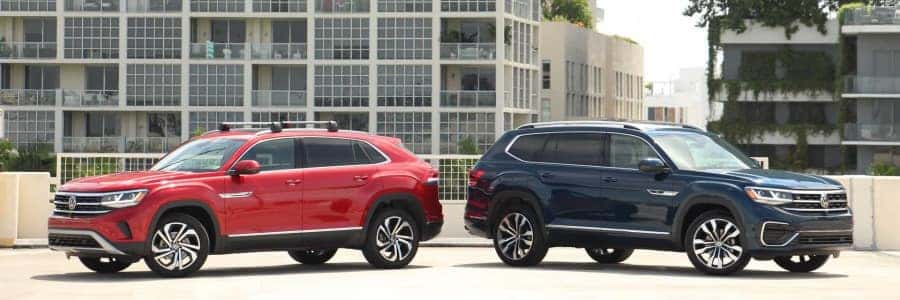
How the VW Atlas Cross Sport Compares to Its Upsized Counterpart Another summer is upon us, and you know what that means – it’s time to travel. Whether you’re planning a trip to the Lake of the Ozarks or a day trip to St. Joe to check out Chiefs training camp, you and your family will be spending more quality time in the car together. If you’re rolling with a large crew with sizable summer plans, you’ll need ample seating and interior space, enough cargo room for your gear, and plenty of infotainment and comfort features to keep your passengers happy. Family road trips can be rough if you don’t have the right vehicle. Fortunately, the 2023 Volkswagen Atlas for sale is one of the best options for big families with demanding storage needs. Its slightly smaller counterpart – the VW Atlas Cross Sport – is leaner in build while delivering the same performance metrics as its big brother. It can be difficult to differentiate between the two at first glance, which is why we’re going to break down how the VW Atlas and VW Atlas Cross Sport are unique. However, before we dive into that, let’s review the attributes they have in common. Overlapping Stats the VW Atlas and Atlas Cross Sport Share On paper, the VW Atlas and the VW Atlas Cross Sport are practically twins. Both SUVs can be outfitted with either a four-cylinder 2.0L turbo 8-speed engine with Tiptronic or the same engine with 4MOTION® all-wheel drive. Because they’re outfitted with the same engine, that means both iterations of the VW Atlas deliver 266 lb-ft of torque and 276 horsepower. Further, they both can tow up to 5,000 pounds. Regarding the Volkswagen Atlas’ gas mileage, it probably comes as no surprise those stats are also mirrored. Both VW Atlas models provide an estimated 21 miles per gallon in the city and 25 miles per gallon on the highway, and each SUV has a fuel capacity of 18.6 gallons. Moving on to features and infotainment, there’s a lot of consistency between the two. Both the VW Atlas and the VW Atlas Cross Sport are offered in five different trim levels; each trim level has its own distinct set of features and aesthetic upgrades. Drivers will notice IQ.DRIVE, touchscreen media display, and VW Digital Cockpit appear throughout the various trim levels. You’ll be hard pressed to find a feature offered by one Atlas that isn’t offered by the other. Finally, both models of the VW Atlas come with the same new vehicle warranty – Carefree Coverage. It consists of a package of protections and services that helps Atlas owners keep their SUVs in tip-top condition. It also provides limited-time roadside assistance and access to remote features via the myVW app. How Is the VW Atlas Different from the VW Atlas Cross Sport? Although the VW Atlas and Atlas Cross Sport have a lot in common, there are some key things that set them apart. The most noticeable difference pertains to size and seating. The standard VW Atlas is the larger of the two SUVs and features three rows of seating that can hold up to seven passengers. The VW Atlas Cross Sport is slightly scaled down and sportier looking in terms of design and build. It can accommodate up to five passengers within its roomy cabin featuring two-toned seating. Different vehicle sizes means different storage capacities between these two SUVs. The standard VW Atlas offers up to 96.8 cubic feet of storage while the VW Atlas Cross Sport offers 77.8 cubic feet. In both models, the rear seats must be folded down for max storage. Finally, there’s a slight price difference between both Atlas models. The standard Atlas has a starting MSRP of $35,150 while the Atlas Cross Sport clocks in at $34,460. No matter which trim level you’re comparing, the Atlas Cross Sport always has a slightly smaller price tag. Deciding Which Volkswagen Atlas for Sale Is Right for You Choosing between the VW Atlas and VW Atlas Cross Sport is far easier to do in person, especially once you’ve had a chance to test drive them. Some drivers find the behind-the-wheel experience is an effective tiebreaker. The best way to take advantage is by stopping by the VW Lee’s Summit dealership. Once you’ve had a chance to experience both varieties of the VW Atlas, you’ll have a much easier time deciding which one is right for you and your family. As a nice little incentive for our customers, we’re always running great deals on Volkswagen products, services, and VW parts in our specials section. Make sure to check back every month to see what type of deals we’re currently running. Well qualified buyers can usually secure low rates or discounts other dealerships can’t match. You can visit VW Lee’s Summit at 2225 NE Independence Ave. For questions, call us at (816) 841-7252 or email us using the contact form on our website.

stacks of coin to show lower costs

The Top 3 Volkswagen Vehicles That Deliver Lowest Cost of Ownership in Kansas City

How Volkswagen Electric Vehicles and Fuel-Efficient Sedans and SUVs Are Changing the Game In the automobile world, there’s a difference between purchase price and cost of ownership. Purchase price is the final dollar amount on your auto loan agreement or bill of sale. Cost of ownership is the umbrella term used to describe any expenses related to the vehicle - present and future. That includes gas, insurance premiums, repairs, loan interest, and so forth. To get a more accurate view of how much vehicle ownership will cost, savvy car buyers are looking past the MSRP and considering the years ahead. It’s the main reason reliable cars are always in high demand, which is where the Volkswagen lineup of vehicles really shines. The following breaks down the top three Volkswagen vehicles that provide drivers with the lowest cost of ownership. 2023 Volkswagen Electric Vehicles and Beyond When considering VW electric vehicles, the German automaker has been in the sweet spot thus far in terms of pricing. The starting MSRP for the 2023 VW ID.4 is just $38,995. Even the highest trim level – the ID.4 AWD Pro S Plus – clocks in at a reasonable $55,245. The affordable price point explains why VW has been successful in taking some of the EV market share away from Tesla and other competing brands. However, we need to look past the MSRP to properly evaluate cost of ownership. First, the 2023 VW ID.4 and subsequent Volkswagen electric vehicles will be assembled domestically, which means owners should qualify for a significant tax credit. Second, the ID.4 comes with three years of free unlimited DC fast charging sessions at Electrify America stations. This means you won’t have to pay for gas or charging until 2026. Finally, new ID.4 purchases include scheduled carefree maintenance for the first two years under the Carefree Coverage warranty. If you’re worried about repairs and service beyond the first two years, you can rest easy. Electric vehicles are far easier to maintain than combustion engine vehicles because they use fewer moving parts. If you’re not yet in the market for an all-electric SUV, 2024 will mark the release of the ID. Buzz, followed by the ID.7 in 2025. These ID models are the first all-electric microbus and sedan in the American lineup of VW electric vehicles. Volkswagen Vehicles with the Lowest Cost of Ownership The 2023 Volkswagen Taos and 2023 VW Jetta combine affordability with sleek design, a generous feature package, and long-term reliability. They also lead the pack in terms of lowest cost of ownership. The 2023 VW Jetta has a starting MSRP of just $20,655, which makes it one of the most competitively priced sedans in its class. In the SUV category, the 2023 VW Taos has a starting MSRP of $24,155. Not many new SUVs can be found for under $25k, which is part of the reason the Taos has been such a hot seller thus far. Another win for both vehicles is fuel economy. The light curb weight and efficient engines of the Jetta and Taos enable them to outperform their main competitors in the sedan and SUV categories. Drivers will get an estimated 29 miles per gallon in the city and 42 on the highway with the 2023 VW Jetta. The 2023 VW Taos provides an estimated 28 miles per gallon in the city and 36 miles per gallon on the highway. Further, the Jetta and the Taos are both exceptionally easy to maintain, which drives down cost of ownership from a service and repairs perspective. As noted earlier with VW electric vehicles, Volkswagen vehicles with a combustion engine also have maintenance included under the Carefree Coverage warranty. On a related note, Motor1 reports that the average VW owner will spend $676 per year or less on maintenance. Another thing that works in favor of VW vehicles in terms of cost of ownership is their resale value. According to Car Edge, Volkswagen leads all other auto manufacturers with a 5-year resale value of 85.53%. This means that Volkswagen vehicles are not only among the most competitively priced vehicles, but they also yield the biggest return on the secondary market. Check Out VW Electric Vehicles and More at Volkswagen Lee’s Summit Clearly, Volkswagen vehicles have a lot to offer to budget-conscious drivers who don’t want to be saddled with unexpected repairs or poor fuel economy. Low cost of ownership is a big reason why drivers switch over to Volkswagen vehicles in the first place. The VW brand has rightfully earned the reputation for creating sleek, future-forward vehicles meant to suit any budget and family dynamic. To check out the 2023 Taos, Jetta, or ID.4 in person for a test drive, the best thing to do is visit us at the VW Lee’s Summit dealership. We’ll be happy to get you behind the wheel of any of these Volkswagen vehicles. For a limited time, well-qualified buyers can secure rates as low as 3.9% APR for 60 months on most new vehicle purchases. Reach out to our financing department today to get preapproved for your auto loan. Visit VW Lee’s Summit today at 2225 NE Independence Ave. Contact us by phone at (816) 841-7252 or email us directly using the contact form on our website.


gas being pumped

What Type of Gasoline Goes in Volkswagen Vehicles?

This Article Will Make You Think Twice About Using Premium Fuel The price of fuel remains a lingering pain point for many American families. According to AAA, the average price per gallon on regular gasoline in Missouri was $3.21 at the end of May 2023. Granted, this is a considerable improvement from the $4.17 per gallon prices we were paying a year ago; however, drivers are more mindful than ever about the cost of fuel and fuel economy. Are there any best practices that can be employed to extend gas mileage? Which vehicles offer the best fuel economy? Does premium fuel offer any performance benefits over regular unleaded? Savvy consumers are looking for any advantage that will either reduce their gas expenses or boost their fuel economy. Before we dive into that, let’s first dispel a myth about premium fuel and how it relates to Volkswagen vehicles. The Difference Between Regular and Premium Gasoline Adding the word “premium” to anything tends to elevate the product in the minds of consumers. When you think of premium fuel, you probably get the impression it has some performance-enhancing effect on your vehicle that regular fuel does not. However, that’s not necessarily the case. The main difference between regular fuel and premium fuel is that they have different octane levels. Premium fuel has an octane level of 91; regular has an octane level of 87. So, what exactly do drivers get by paying a little extra for premium? It's reported that premium fuel is more balanced and more resistant to engine knocking and spontaneous combustion. Additionally, some varieties of premium fuel are advertised to have anti-corrosive elements that keep the engine clean and mitigate carbon buildup. At face value, this sounds great, but don’t make the switch over to premium fuel just yet. Can Any Vehicle Have Premium Fuel? What Are the Benefits? Here’s where things get interesting. The advertised benefits of premium fuel have convinced some drivers to use it instead of regular. One myth is that premium fuel equates to better mileage – not true. Premium fuel won't degrade the performance of your vehicle, but it won't enhance it either. Basically, you’d be overpaying for gas for nothing. Premium gasoline should only be used with vehicles that require it, such as those with turbochargers or high-compression engines. Not using premium fuel for vehicles that require it will eventually lead to a degradation of performance. Drivers will notice a lag when trying to accelerate and a slight reduction in fuel economy. If the incorrect fuel type is used for a prolonged period, it may result in engine knocking or other mechanical issues. Bottom line: stick with the fuel that the manufacturer of your vehicle recommends. The VW brand has always prioritized cost of ownership, which is why most Volkswagen vehicles are built to run on regular unleaded. A More In-Depth Look at Gas Mileage for Volkswagen Vehicles One huge benefit that has always remained consistent with the VW lineup of vehicles is the great fuel economy they provide drivers. Even the Volkswagen SUV models know how to stretch a buck at the pumps. The following breaks down the fuel economy statistics for each current model year VW vehicle. Volkswagen Jetta gas mileage – up to 31 city/41 highway Volkswagen Golf R gas mileage – up to 23 city/30 highway Volkswagen Golf GTI gas mileage – up to 24 city/34 highway Volkswagen Arteon gas mileage – up to 25 city/33 highway Volkswagen Taos gas mileage – up to 28 city/36 highway Volkswagen Tiguan gas mileage – up to 23 city/30 highway Volkswagen Atlas gas mileage – up to 21 city/25 highway Volkswagen Atlas Cross Sport gas mileage – up to 21 city/25 highway Each of these vehicles runs on regular unleaded gasoline; however, there are certain members of the VW automotive family that require premium fuel to run at optimal levels. For example, the 2020 VW Jetta and 2021 VW Tiguan are both offered with turbocharged engines, meaning premium gas is essential for their performance. Drivers who wish to remove themselves from the gasoline dilemma altogether may want to consider the 2023 VW ID.4. It is the lone electric option in the stable of Volkswagen SUV models, providing drivers up to 275 miles on a single charge in the Pro model. Additionally, the new ID.4 comes with three years of free unlimited DC fast charging sessions at Electrify America stations. Where to Get More Info About Eco-Friendly Volkswagen Vehicles Drivers who are curious about what the VW brand has planned for their electric vehicle lineup should check out our preview of the 2025 VW ID.7 and our article about the automaker’s path to sustainability. Volkswagen also has an all-electric travel concept car in the works that aims to replace short-haul flights. For additional questions about the VW ID.4 or Volkswagen vehicles that use a combustion engine, contact your local VW dealership.

  Call Today